
Surgical removal of skin lesions
Surgical removal of skin lesions is a safe and precise solution. We remove moles, cysts, warts and fibromas with an emphasis on aesthetic results.
Some skin lesions cannot be safely treated with laser or other less invasive methods. This is especially true for larger, atypical lesions or those that require precise histological examination. Surgical removal is the most reliable way in these cases, combining health safety with the best possible aesthetic result. Every surgical removal of lesions is preceded by a thorough examination, including dermatoscopy, by a dermatologist. Removal is not performed without this step.
When is surgical removal the right choice
Not every skin lesion requires surgery. However, there are situations where this method is clearly the most appropriate:
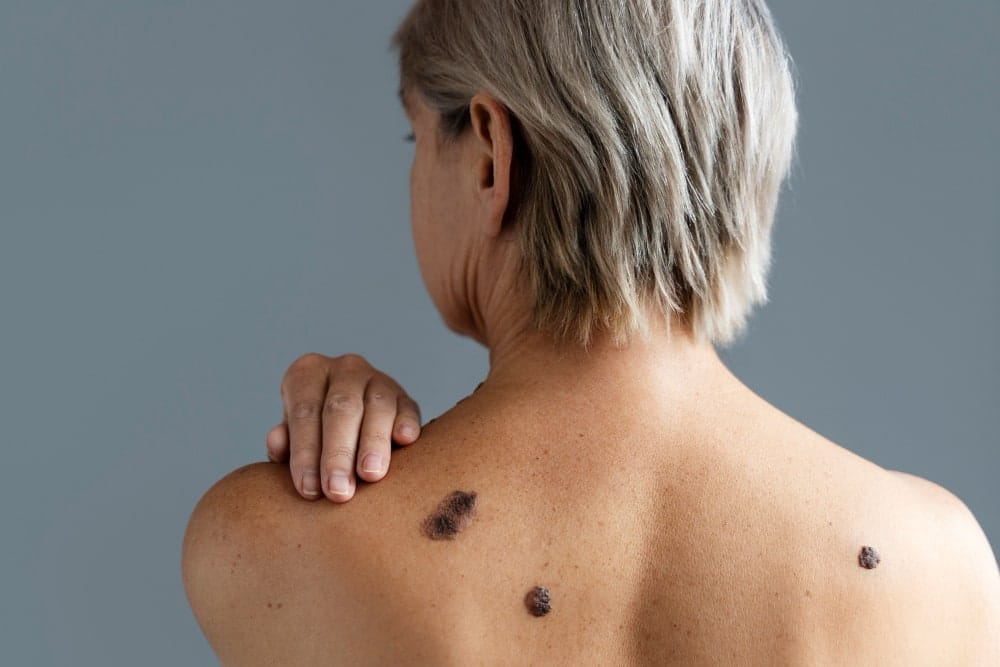
- Atypical or suspicious moles that require histological examination
- Lesions larger than 5-6 mm
- Luminations that repeatedly become inflamed, bleed or are mechanically irritated
- Fibroids, warts or cysts that do not respond to other methods of treatment
- Lesions on visible parts of the body where the aesthetic result is important
How the procedure is performed
Surgical removal is performed on an outpatient basis and under local anesthesia. The entire procedure usually takes 15 to 40 minutes, depending on the size and location of the lesion.
The doctor first marks the area of the procedure and applies local anesthesia. She then carefully excises the lesion with a sufficient margin of healthy tissue and closes the wound with fine stitches. The patient goes home the same day.
After the procedure, you will receive detailed instructions for home care, including recommendations for sun protection and appropriate healing products. The stitches are removed after 7 to 14 days, depending on the location of the procedure.
What does the scar look like after surgical removal
The scar issue is one of the most frequently addressed by patients. The result depends on the size and location of the lesion, but modern surgical techniques with precise stitching in thin layers allow for very good cosmetic results.
Immediately after the procedure, the scar is pink or red. It gradually fades over the course of weeks and is significantly less noticeable after a few months. For smaller lesions in inconspicuous locations, the resulting scar is often almost invisible.
What lesions can be surgically removed
The surgical method is suitable for a wide range of skin formations. The following are most often treated this way:
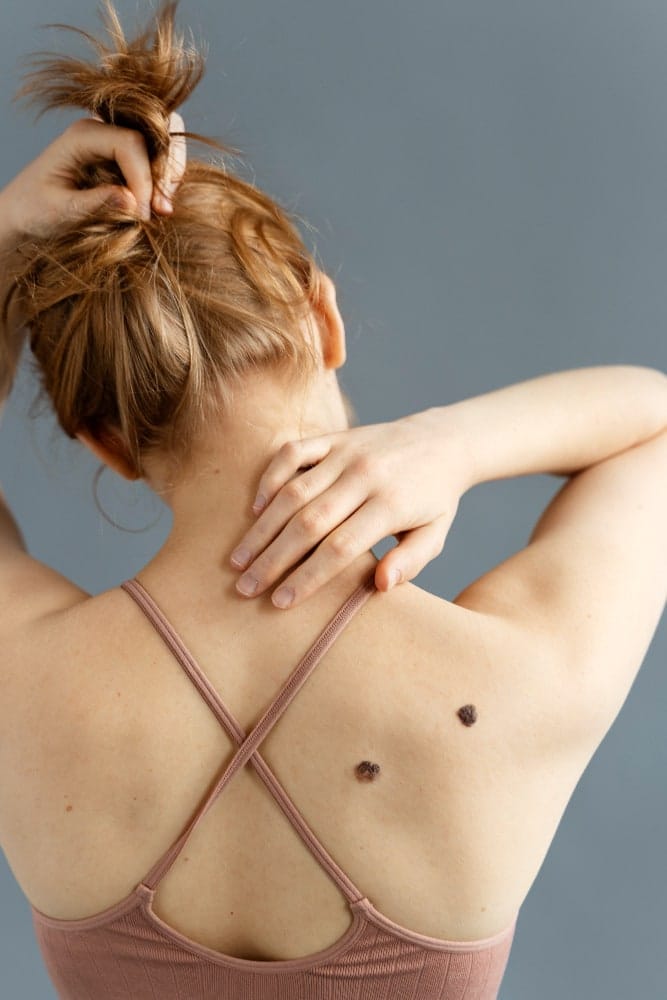
- Pigmented moles, especially larger, atypical or aesthetically disturbing
- Atheromas
- Warts of viral origin that do not respond to other treatment methods
- Fibromas and papillomas
- Seborrheic keratoses
- Lipomas
- Epidermal and tricholemmal cysts
- Keratoacanthomas
- Xanthelasmata (yellow plaques around the eyelids)
Surgical removal is also the method of first choice for all lesions suspected of malignant growth. It allows for complete excision with a margin of healthy tissue and subsequent histological examination, which will provide an accurate diagnosis.
The decision on the suitability of surgery always depends on the size, depth, location and risk of the lesion, but also on the aesthetic requirements of the patient.
How it works with us
Before surgical removal of lesions, a consultation with a dermatologist is required at Hello Beauty Clinic. This includes a dermatoscopic examination and assessment of the lesion. This step cannot be skipped and cannot be replaced by an online consultation or photo. Only on the basis of the examination will the doctor recommend the most appropriate procedure for your specific case.