
Abdominoplasty
Abdominoplasty (tummy tuck) removes loose skin, tightens the muscles and gives the abdomen a flat, firm shape after weight loss or pregnancy.
Abdominoplasty is a plastic surgery procedure that removes loose skin and excess fat from the abdomen and at the same time tightens weakened or separated abdominal muscles. The result is a flat, firm abdomen with much better contours that suits the rest of the figure. It is one of the most rewarding procedures in plastic surgery — many patients say that afterwards they feel good in swimwear, fitted clothes or during sport for the first time in years.
What abdominoplasty is
Abdominoplasty, or a tummy tuck, is a surgical procedure that removes loose skin and excess fat from the lower and middle abdomen and at the same time tightens weakened or separated abdominal muscles. It is one of the most effective ways to achieve a flat, firm and attractive abdomen that cannot be achieved by exercise, diet or non-invasive methods alone.
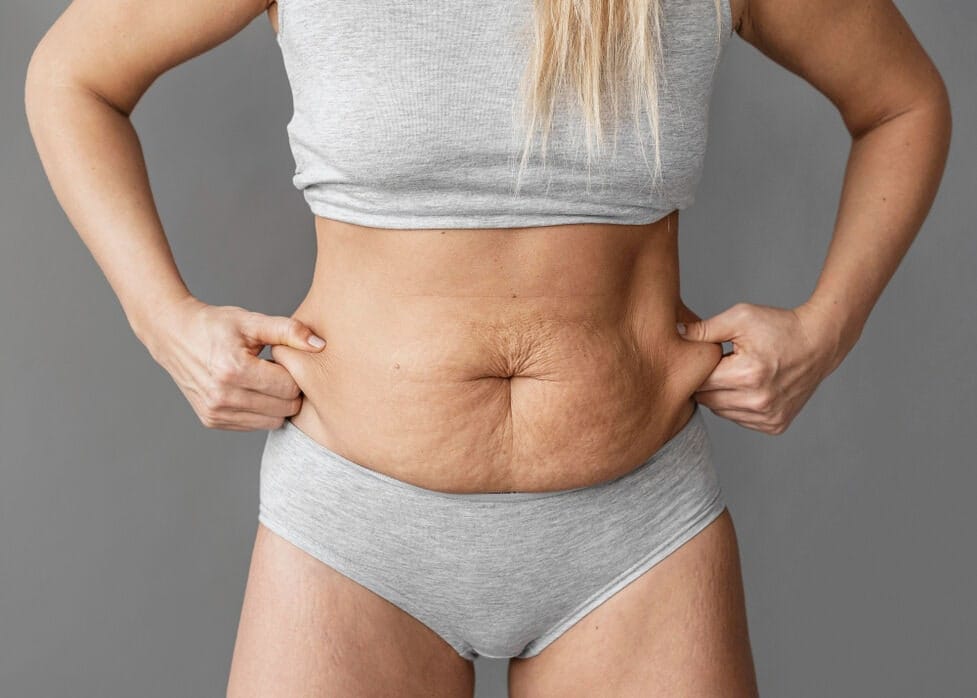
The procedure mainly addresses the consequences of significant weight loss, repeated pregnancies, ageing or genetic predisposition, which leave loose skin, diastasis (separation of the abdominal muscles) and a loss of elasticity. The excess skin is removed, the muscles are stitched into a firm line and the navel is moved to a new, natural position. The result is a smooth, taut abdomen with much better contours and better posture.
Abdominoplasty is often combined with liposuction of the flanks, waist or upper back to achieve an even more harmonious look for the whole figure.
Who abdominoplasty is for
It is most often sought by women and men after significant weight loss that has left loose skin which cannot be removed by exercise or other non-invasive methods. Typical reasons include:
- Loose skin on the abdomen
- Separation of the abdominal muscles
- A sagging abdomen after repeated pregnancies
- Loss of skin elasticity after rapid weight loss
- A “loose” or “sagging” abdomen even at a normal weight
How a tummy tuck is performed
The operation is performed under general anaesthesia and usually takes 2–3 hours, depending on the extent. The incision runs from one hip bone to the other, just above the pubic bone. The skin is lifted from the abdominal wall up to the rib cage, the abdominal muscles are stitched into a firm line (which greatly improves posture and the feeling of firmness), and excess skin and fat are removed. The navel is moved to a new, natural position. The wound is closed and drains are placed under the skin for 1–2 days to remove fluid. Finally, a compression binder or special compression garment is applied, which should be worn continuously for 4 weeks.
Recovery and result
Recovery after a tummy tuck takes about 2–3 weeks. In the first week it is essential to rest, wear the compression binder continuously and strictly limit movement. Swelling and bruising are most pronounced in this phase but fade quickly. After 10–14 days most patients return to lighter work. Full physical exertion is safe only after 6–8 weeks, when the muscles and tissues have fully healed.
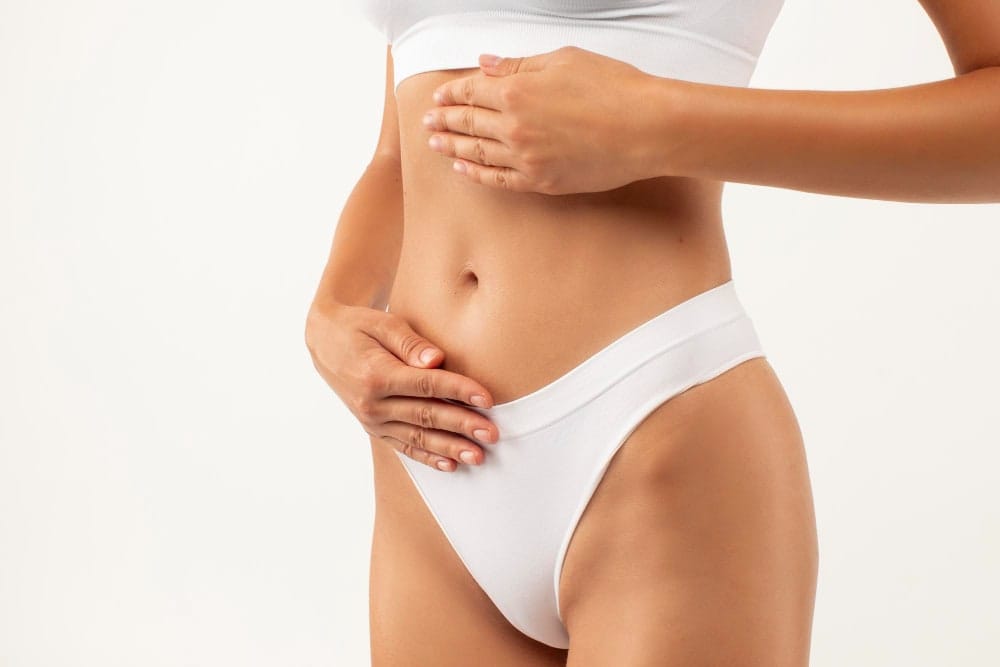
The result of abdominoplasty is long-lasting to permanent — the abdomen stays flat, firm and with much better contours as long as the patient keeps a stable weight and an active lifestyle and avoids extreme weight changes or further pregnancies. Many patients describe a fundamental change in their quality of life after the procedure: relief from a “loose” or sagging abdomen, better posture, easier movement in sport, more freedom in choosing clothes and much greater self-confidence.
Consultation
Send us a message and we usually reply within one working day.