Skin rejuvenation and regeneration
Skin smoothing
Uneven skin surface, visible wrinkles or loss of elasticity are among the most common reasons why people seek aesthetic medicine. Today, several injectable methods offer...
Sunken cheeks are among the common signs of facial ageing, yet people talk about them less than abou...
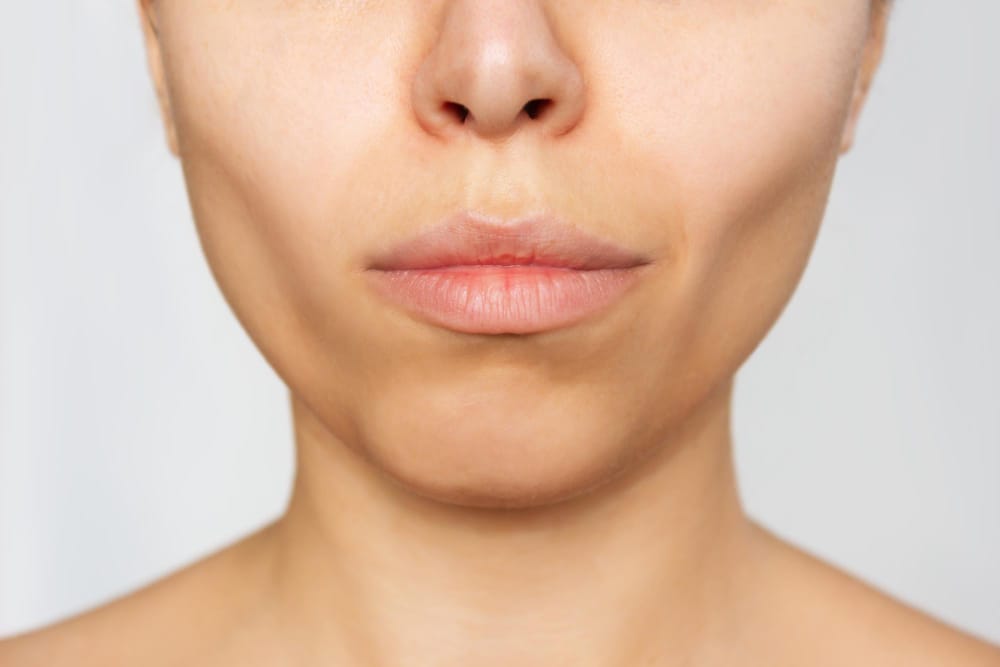
Sunken cheeks are among the common signs of facial ageing, yet people talk about them less than about wrinkles. Loss of volume in the cheeks changes the overall expression of the face more than it might seem at first glance. How can this condition be recognised and which methods of aesthetic medicine can restore the lost volume to the face?
Sunken cheeks arise from the loss of fat compartments and a decrease in the production of collagen, elastin and hyaluronic acid in the deeper layers of the skin. The face gradually loses support, the skin loosens and the face acquires a tired appearance.
The process begins as early as around the age of thirty and gradually deepens. The fat pads that in youth give the face fullness and are responsible for a smooth transition between the individual parts of the face naturally diminish over time and partly shift lower. The result is a more sunken area under the cheekbones and a less continuous profile of the face.
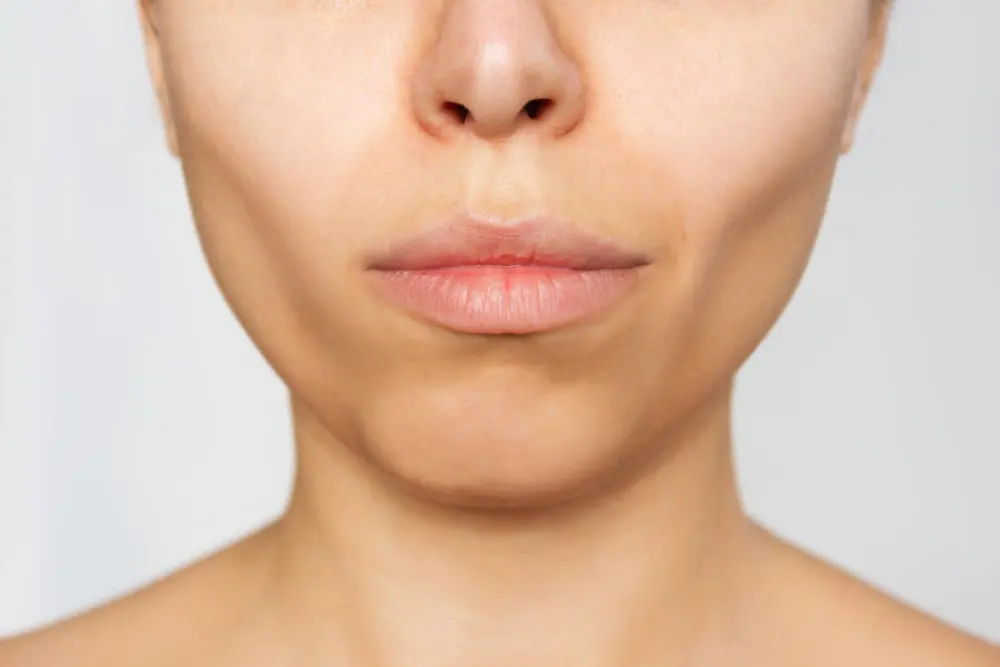
Sunken cheeks manifest as a hollow area under the cheekbones, sharper shadows on the cheeks and a less continuous transition between the cheek and the jaw. Unlike a naturally slender face, this is a change in tissue structure, not merely a reduced amount of subcutaneous fat.
A typical sign is also that the face looks tired or stern even in a resting state, regardless of mood or the amount of sleep. It is precisely this discrepancy between the actual feeling and how the face appears outwardly that is often the main reason why clients seek a solution for sunken cheeks.
The main causes of sunken cheeks include natural ageing, significant weight loss, genetic predisposition and long-term stress or lack of sleep. A combination of several factors at once is common and accelerates the visibility of the changes.
Common triggers include:
Knowledge of the specific cause helps to choose a suitable method of treatment. In clients after significant weight loss the approach often differs from the treatment of purely age-related volume loss, which is why we recommend always discussing the cause at a consultation with our doctor.
We treat sunken cheeks with hyaluronic acid fillers or biostimulatory methods, specifically the application of polynucleotides and bioremodelling. Each method contributes in a different way to the final, natural-looking effect.
The basic approaches we use at the clinic:
The exact method or combination of methods is always proposed by the doctor according to the cause and extent of the volume loss.
A hyaluronic acid filler replenishes volume directly at the site of the sunken tissue and restores the natural, continuous shape of the face. It is applied into the deeper layers of the skin, where it replaces the loss of the natural fat compartments.
The result is visible immediately after the procedure. The amount of filler needed depends on the extent of the hollowness and the individual anatomy of the face. We recommend hyaluronic acid as the basic and most effective method when the main cause is genuine volume loss.
While a filler addresses volume, polynucleotides and bioremodelling improve the overall quality and elasticity of the skin surrounding the sunken cheek. The combination of both approaches brings a more natural and longer-lasting result than a filler alone.
Polynucleotides are particularly suitable for thinner, more sensitive skin where it is desirable to improve the structure of the skin without adding further volume. Bioremodelling is suitable for a larger area of the face where overall firmness and hydration are lacking rather than one specific volume deficit. We recommend this combination for clients who want to address sunken cheeks comprehensively.
A hyaluronic acid filler in the cheeks usually lasts 6 to 12 months, depending on the type of preparation used and individual metabolism. The effect of polynucleotides and bioremodelling also lasts approximately 6 to 12 months (after a series of treatments) and is maintained by regular repetition.
The rate at which the filler is broken down can also be influenced by lifestyle. Smoking, intense sunlight and other factors can have a negative effect on skin quality. We therefore recommend supporting the result by adjusting habits as well.
The treatment of sunken cheeks is suitable for all adult clients in whom volume loss has occurred as a result of age, weight loss or genetic predisposition. The method is adapted both to younger clients with early volume loss and to more mature skin with a more pronounced structural change.
We do not perform the treatment during pregnancy and breastfeeding, in the presence of an acute skin infection in the treated area or in the case of an allergy to the substance used. Before the procedure a consultation therefore always takes place, at which the doctor assesses the state of health and proposes a safe combination of methods.
Sunken cheeks manifest as a hollow area under the cheekbones, more pronounced shadows and a less continuous transition between the cheek and the jaw, even when the face is at rest.
The most effective and fastest method is a hyaluronic acid filler, which directly replenishes the missing volume. For a longer-lasting and more natural result we recommend a combination with polynucleotides or bioremodelling, which also improve the overall quality of the surrounding skin.
The procedure is well tolerated; it consists of injections with a thin needle or cannula into the deeper layer of the skin. For greater comfort an anaesthetic cream is used before application.
Yes, sunken cheeks are not linked only to higher age. They can also appear in younger clients after significant weight loss or due to a genetic predisposition to a lower amount of subcutaneous fat in the face. In such a case the treatment focuses primarily on replenishing volume with a filler.
Uneven skin surface, visible wrinkles or loss of elasticity are among the most common reasons why people seek aesthetic medicine. Today, several injectable methods offer...
The skin has a natural potential for renewal – it just needs the right support. Biostimulation is a modern approach in aesthetic medicine that does not work with fillers...
In recent years, aesthetic medicine has increasingly moved towards methods that truly regenerate the skin. One of the most prominent is polynucleotide biostimulation, also known...
Send us a message and we usually reply within one working day. Consultations are free.